RPG and MMO character design: making class, armour and race readable at a glance
Character design for RPGs and MMOs: class readability, armour tiers, race shape language, colour coding, poly budgets and in-game gear swaps. A guide before you commission a character.
In RPGs and MMOs the character is what the player looks at for hours — while competing with hundreds of other players on screen. So a good RPG character is readable first and beautiful second.
1. Class must read at a glance
In a crowded battle, a player should know who the enemy is in half a second.
| Class | Silhouette | Colour tendency | Signature piece |
|---|---|---|---|
| Warrior | Broad shoulders, heavy lower body | Metal, dark red | Big weapon, shield |
| Mage | Tall, vertical, flowing cloth | Purple, blue, glow | Staff, robe |
| Archer | Slim, light, asymmetric | Green, brown | Bow, hood |
| Healer | Soft, rounded lines | White, gold | Book, charm |
Detail only works when the silhouette is right. For the silhouette test: character silhouette and readability.
2. Race shape language
Human, orc, elf, dwarf — each race needs its own shape language. Orcs are angular and heavy (thick neck, underbite, crude metal), elves slim and vertical (long lines, organic ornament). The race language carries into armour: orc armour riveted and toothed, elven armour leafy and curved.
3. Armour tiers: make progress visible
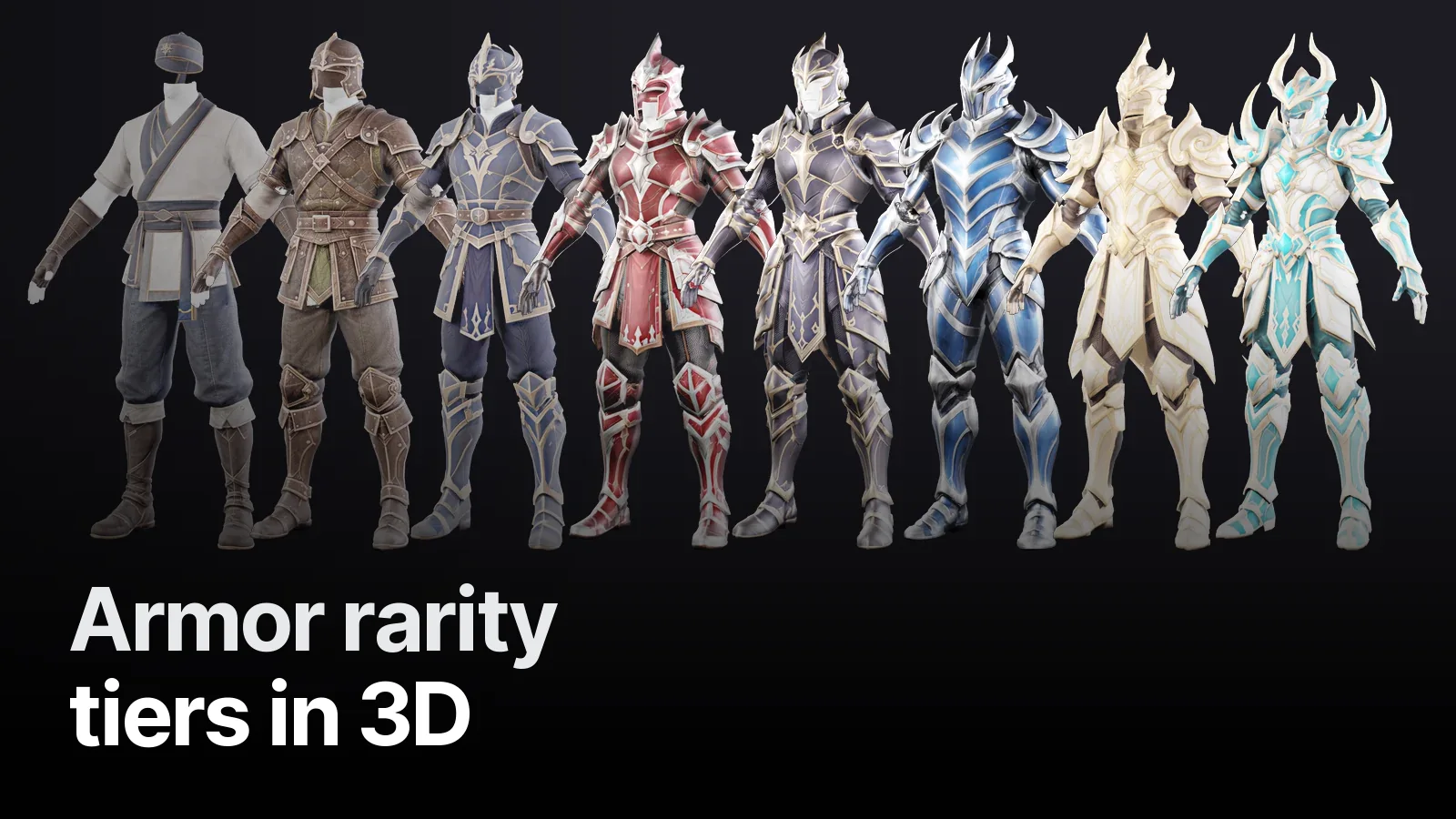
The player's effort should show on the character. Three to five tiers grow from one language:
- Starter: cloth, leather, a plain silhouette.
- Mid: metal pieces, belts, the first pauldron.
- High: big silhouette-changing pauldrons, cape, helmet.
- Legendary: glowing detail, particles, a colour shift.
Technical note: when tiers are modelled on the same skeleton and the same UV logic, gear swaps work cleanly in-game.
4. Poly and texture budgets
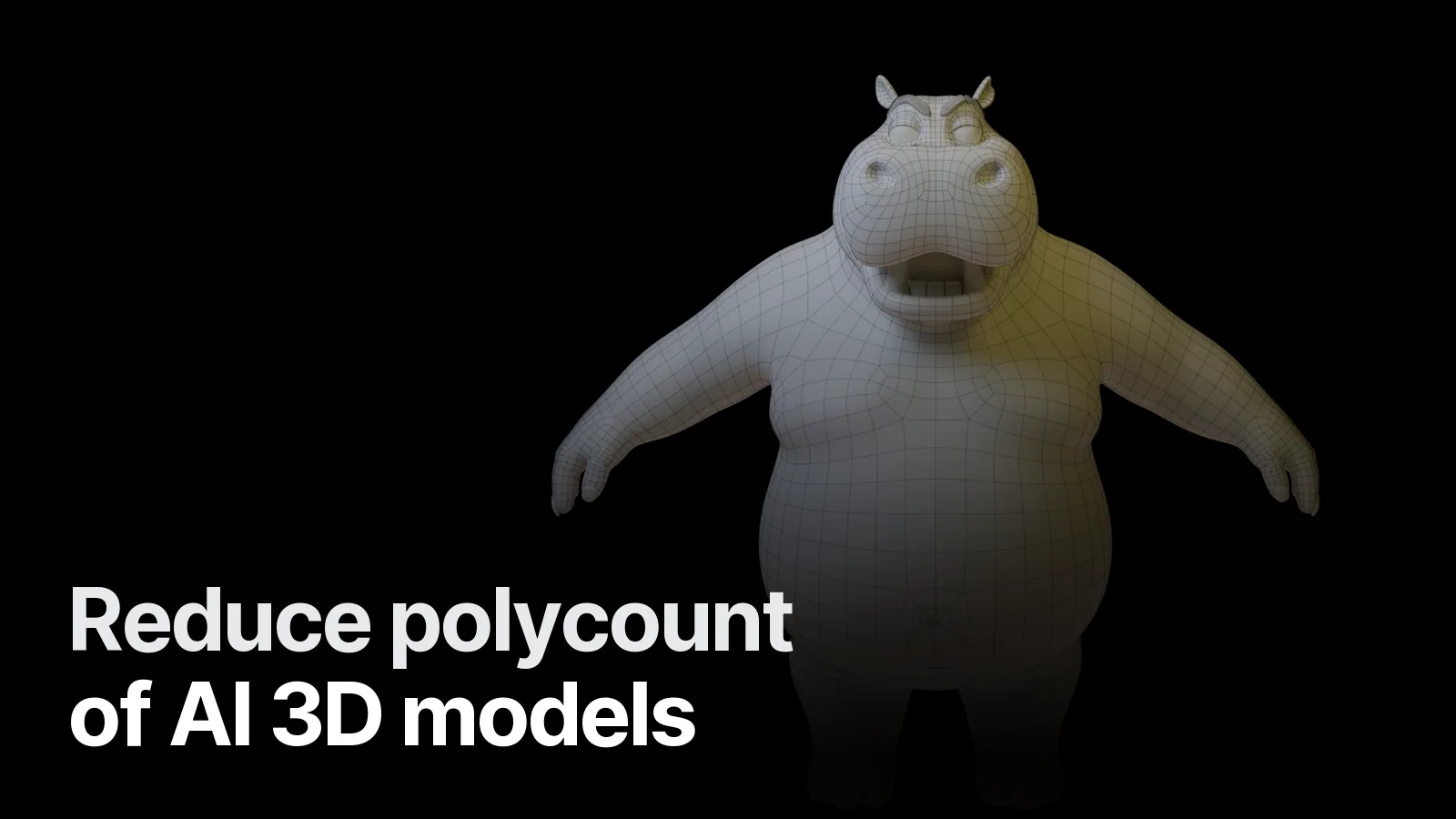
An MMO can have dozens of characters on screen at once. Triangles per character, texture size and LOD levels are set up front. Mobile means low poly plus hand-painted textures; PC means higher poly plus PBR. Delivery check: game-ready asset checklist.
5. From concept to 3D
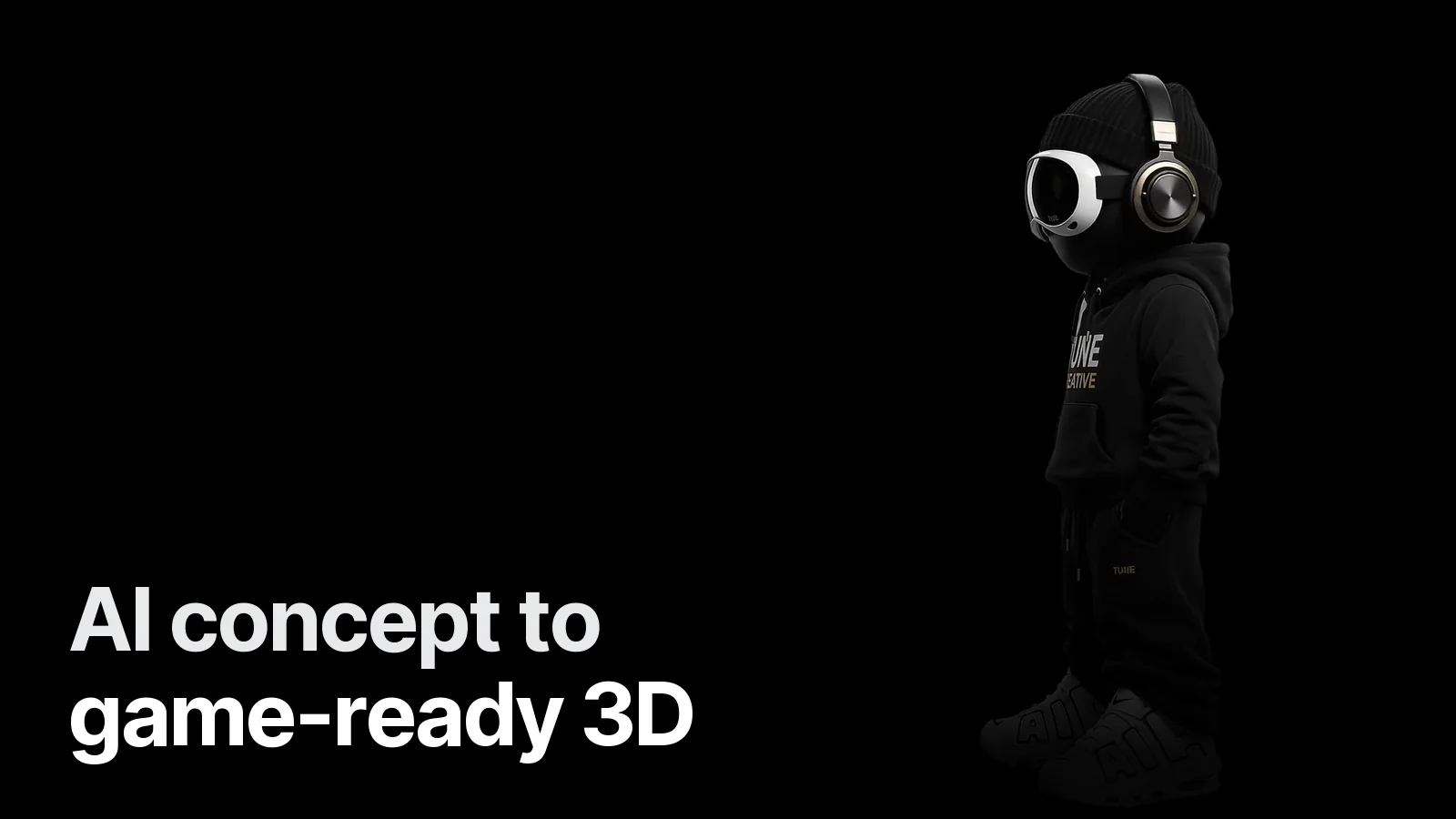
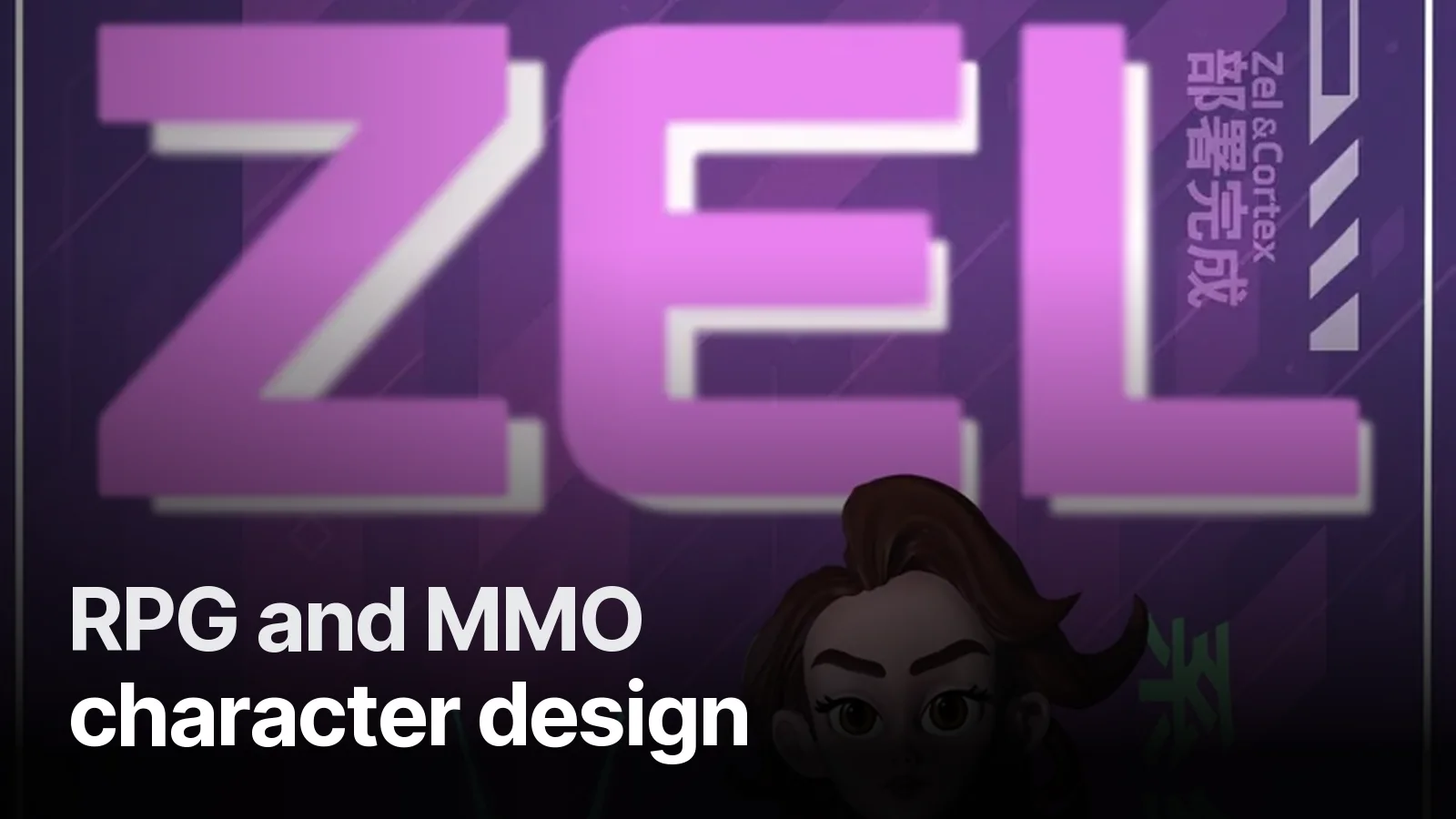
First a 2D concept or reference board, then blockout, sculpt, retopo, UV, texture, rig. Step by step in from 2D concept to 3D game character. A stylised example: Protocol Zel — character language, pose and composition built in one pass.
For private servers
For private servers of games like Knight Online and Metin2 we also make class and race visuals, server key art and launch videos; we produced an AI-made launch video for KoForce Gaming (our video projects).
Send references for your character project; scope and timeline within 24 hours: Game 3D & characters.
Frequently asked
1.What is the most important rule in RPG character design?
The class must read from a distance. Warrior, mage, archer and healer should be told apart in a crowded scene on a small screen from silhouette and colour alone.
2.How are armour tiers designed?
Three to five tiers of the same character grow from one language: plain cloth and leather at the start, metal pieces mid-game, silhouette-changing pauldrons, capes and glow at the top. Players see their progress.
3.How many polygons should an MMO character have?
It depends on the target platform and how many players are on screen at once. Crowded PC MMOs commonly use a few tens of thousands of triangles per character with LODs; mobile uses far lower budgets and hand-painted textures.
4.Do you make characters and launch videos for private servers?
Yes — character and key-art visuals for servers, and AI-made launch videos. We produced a launch video for KoForce Gaming, a Knight Online server.