AI video production for YouTube channels: hire a team for faceless documentaries and explainers
How AI video production works for YouTube: which formats fit, how scenes stay consistent, why editing and sound still decide retention, how to stay within YouTube's rules and what to send for a quote.
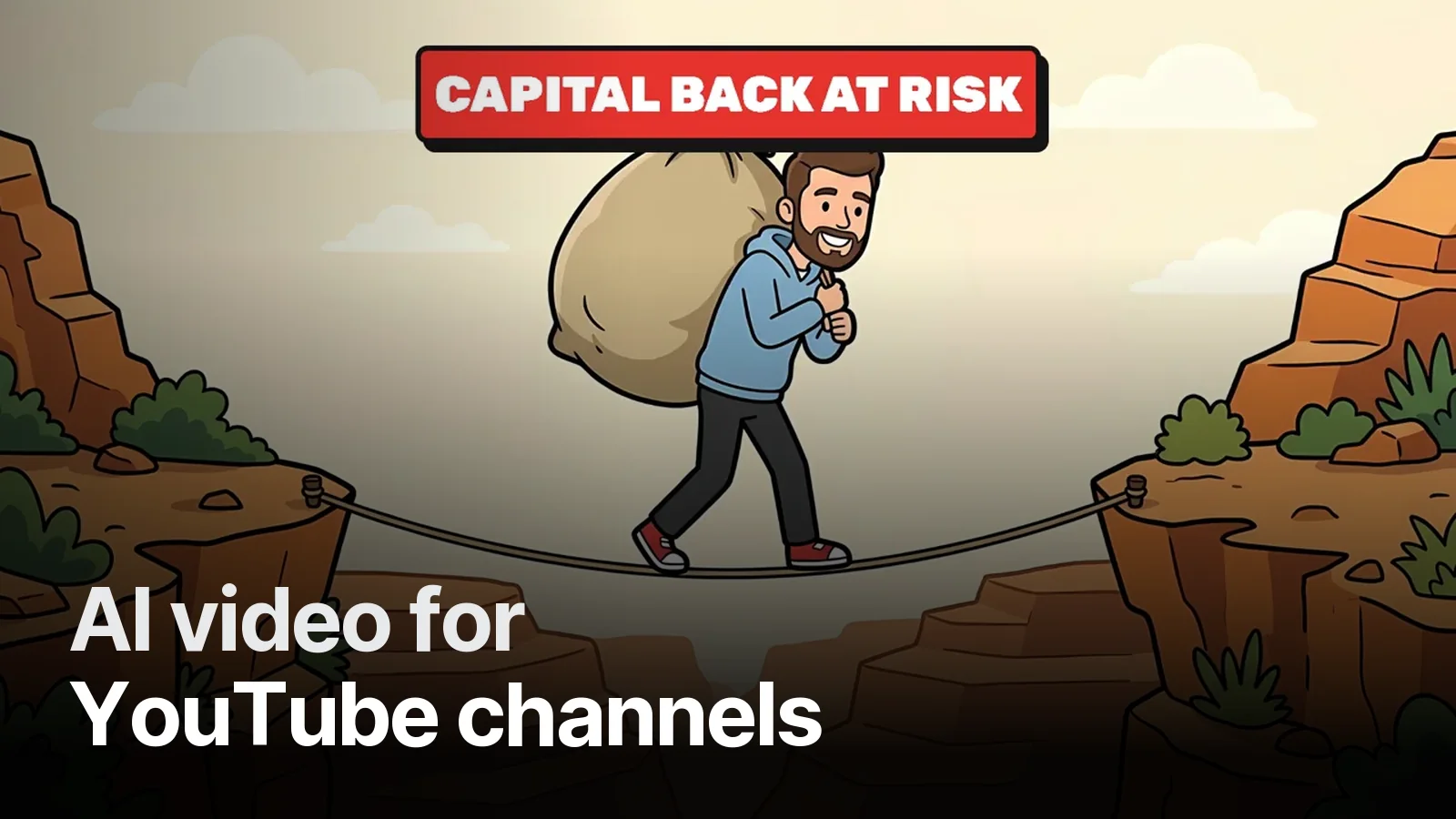
AI video production helps YouTube channels cover topics with no footage, without a camera, crew or huge animation budget. It doesn't replace the part that keeps people watching, though: a clear story, good pacing and strong sound. This guide explains which formats suit AI, how quality is kept high and how to hire a team. We work online with channels worldwide.
Formats that suit AI production
- Faceless documentaries: history, business, psychology, true stories
- Explainers: complex ideas turned into simple scenes
- Storytelling channels: narrated fiction, noir and reconstruction
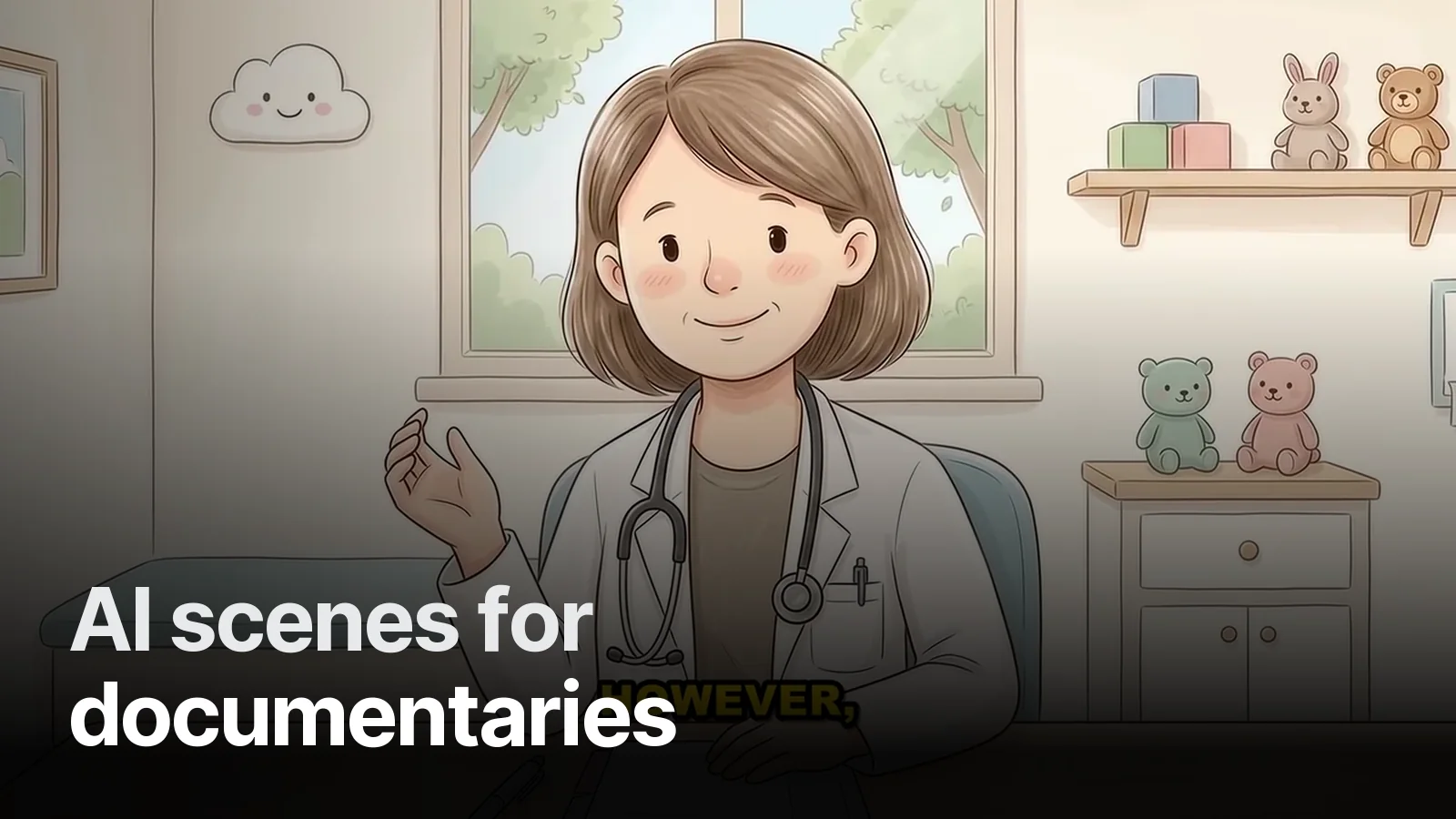
- Parenting and education series: warm scenes for sensitive topics
- Shorts: quick visual hooks taken from long episodes
Not every episode needs to be fully AI. Sometimes illustrated 2D scenes work better, or a mix of both. Our IShowSpeed documentary uses flat 2D illustration and short real clips, while noir and parenting projects use other visual languages. The style should come from the channel, not from the tool.
How an episode is made
- Script review. We check where viewers may drop off.
- Visual style. Characters, colour and framing are locked first.
- Scene plan. Each sentence is matched with something to show.
- Generation. Scenes are created and filtered, and weak ones are removed.
- Edit. Cuts land on the voiceover, with movement and titles.
- Sound. Music, ambience and effects are added.
- Delivery. Final video, plus thumbnails if needed.
What separates good AI video from AI slop
- Actions, not poses. Every scene shows something happening.
- Same character throughout. Faces and outfits stay consistent.
- No filler. Repeating a scene to fill a gap is noticeable.
- Word-accurate cuts. Visuals change when the sentence changes.
- Sound design. It's what makes a video feel expensive.
- A real point of view. The script must say something worth hearing.
Audiences spot lazy automation quickly, and it hurts retention. Our guides on retention editing and sound design for documentaries go deeper.
Staying within YouTube's rules
YouTube's monetisation rules target content that's mass-produced or repetitive. Tools aren't the issue, so make sure each episode has an original script, its own structure and real editing. YouTube also asks creators to disclose realistic synthetic content in some cases. Rules change, so always check YouTube's latest guidance before you publish. If you use real clips, keep them short and purposeful, and don't assume any clip is safe just because it's short.
How to hire a team
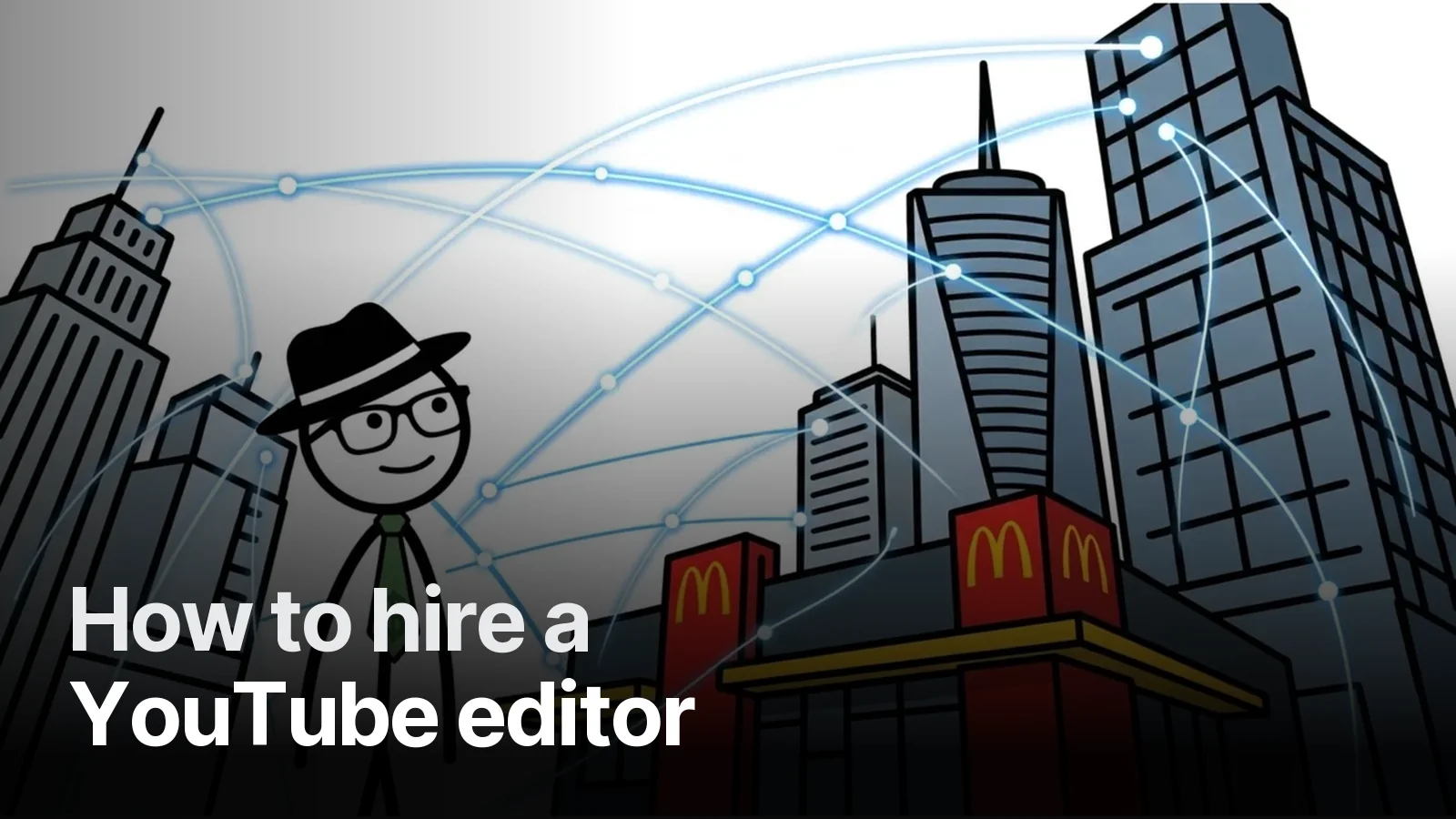
Compare complete episodes, not only reels. Ask who writes, who edits and who handles sound. Ask how they keep a character consistent across 100 scenes. Then start with one test episode before moving to a monthly plan. If you run a regular channel, a monthly YouTube editing retainer makes the process more predictable.
What to send for a quote
Your script or voiceover length, target style, one example you admire, how many episodes per month and your deadline. See our video work and read how we approach AI scenes for YouTube documentaries. We reply the same day.
Your project could be next.
Get a quote on WhatsAppFrequently asked
1.Can AI-made videos earn money on YouTube?
Using AI tools isn't a problem in itself. What YouTube limits is mass-produced, repetitive or low-value content. Original scripts, real storytelling and careful editing matter, and realistic synthetic content may need to be disclosed. Check the current rules for your channel.
2.What do you need from me?
A script or finished voiceover, the channel style and an example video you like. If you don't have a voiceover, tell us and we'll plan it together.
3.How long does an episode take?
It depends on length and scene count. We agree a realistic delivery date with the quote, and regular channels can book a monthly schedule.
4.Do you also make thumbnails?
Yes. Thumbnails can be included, and we can deliver two versions for YouTube's Test & Compare.
5.What does it cost?
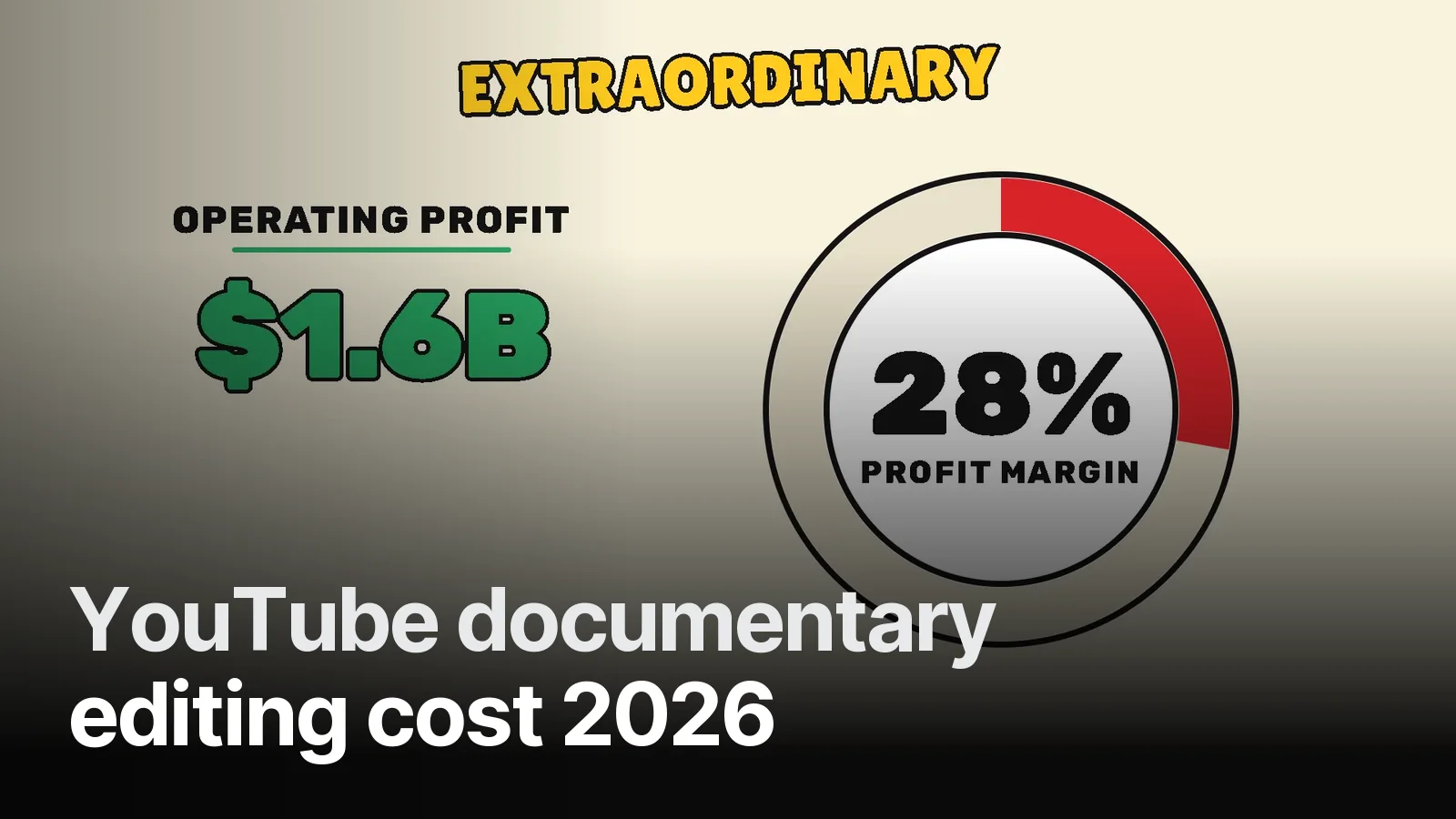
Each channel has different length, scene density and style, so we quote by project. Send your script length and an example, and we'll reply the same day.