Hiring a 3D character artist for your game: freelancer, marketplace or studio?
How to hire a 3D character artist: comparing freelancers, marketplaces and small studios, what to look for in a portfolio, test tasks, communication, contracts and IP, and red flags to avoid.
Short answer: hire a freelancer for a single well-defined character, a small studio when you need several skills (modelling, texturing, rigging, animation) or reliability around deadlines, and use marketplaces mainly for discovery. Judge portfolios by game-ready evidence — wireframes, polycounts, in-engine shots — not just beautiful renders.
Freelancer vs marketplace vs studio
| Solo freelancer | Marketplace gig | Small studio | |
|---|---|---|---|
| Best for | One character, clear brief | Small, simple tasks | Rosters, full pipeline, deadlines |
| Skills | Usually one or two | Varies widely | Model, texture, rig, animate |
| Risk if sick / busy | High | High | Lower |
| Communication | Direct | Through the platform | Direct, one contact |
| Price level | Low–medium | Low | Medium |
Reading a portfolio
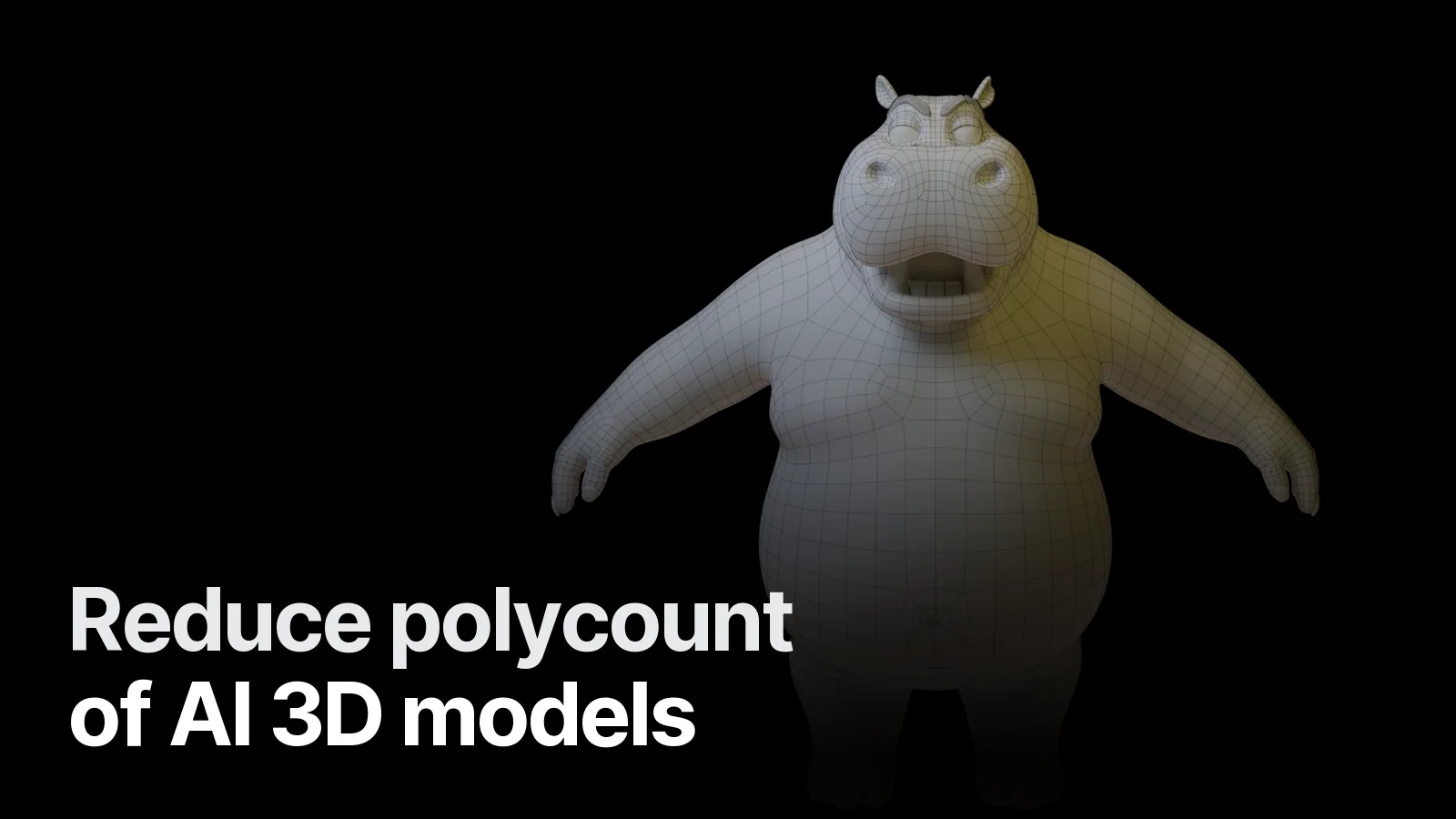
- Wireframes and polycounts — proof the artist builds for games, not just stills.
- Texture sets — BaseColor, normal, roughness shown separately.
- In-engine or animated shots — the model deforms and works in real time.
- Style match — someone brilliant at realism may not nail your cartoon style (stylised vs realistic).
- Consistency — several finished pieces at the same level, not one hero and many sketches.
Test tasks
For bigger projects, a small paid test is fair to both sides: a character bust, a prop, or a blockout of your character. It shows quality, how questions are asked, and whether deadlines are met.
Contract basics
- Scope: asset list, budgets, formats, rig/animation, number of revision rounds.
- Milestones and payment schedule tied to approvals (outsourcing guide).
- IP transfer on final payment; portfolio rights agreed; NDA if needed.
- Source files: included or optional.
Red flags
- No wireframes or engine shots anywhere in the portfolio.
- Unrealistic speed ("a rigged hero in two days").
- Vague answers about budgets, formats or licences.
- Deliverables built from marketplace models or AI meshes without disclosure.
Working with us
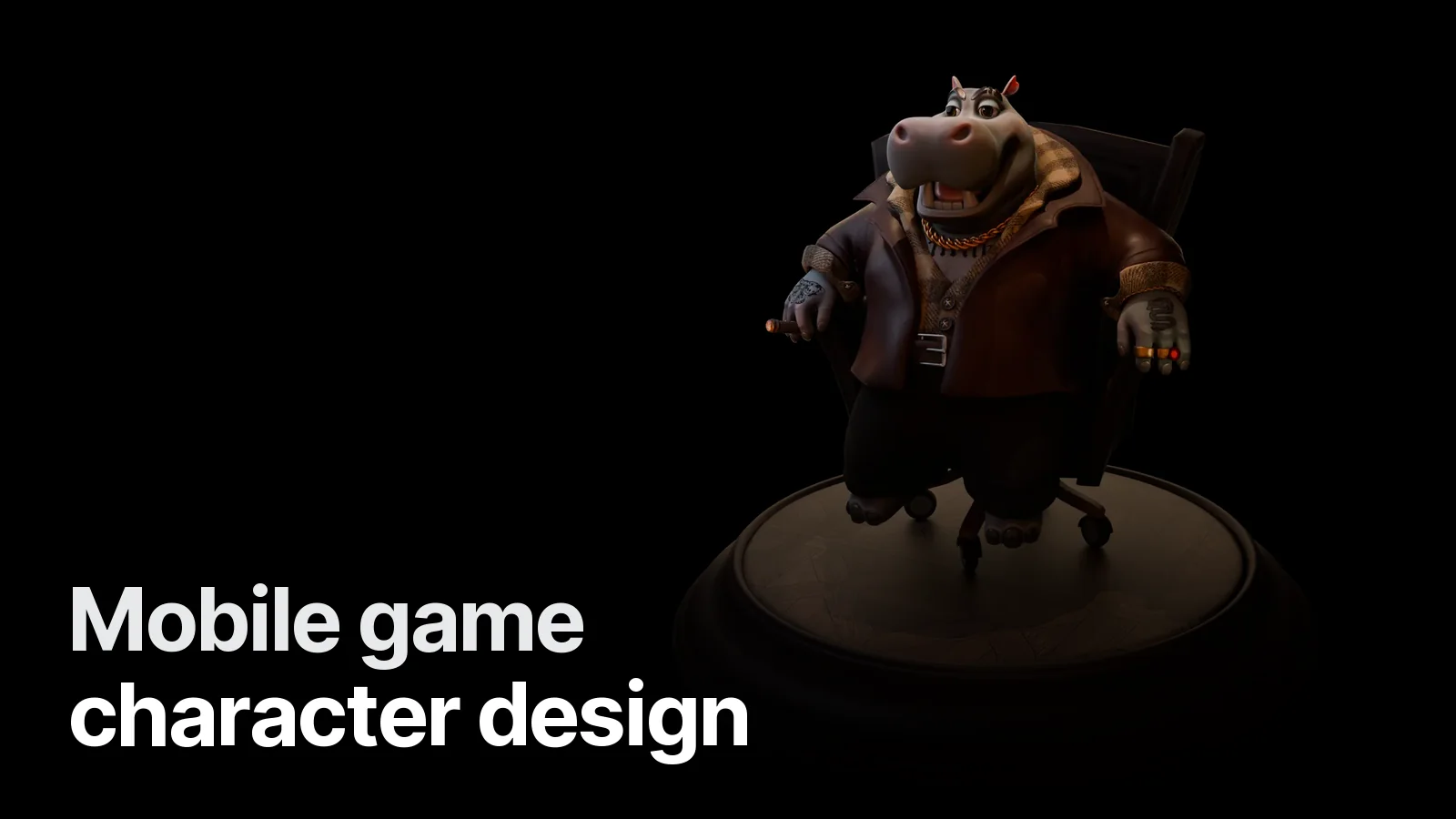
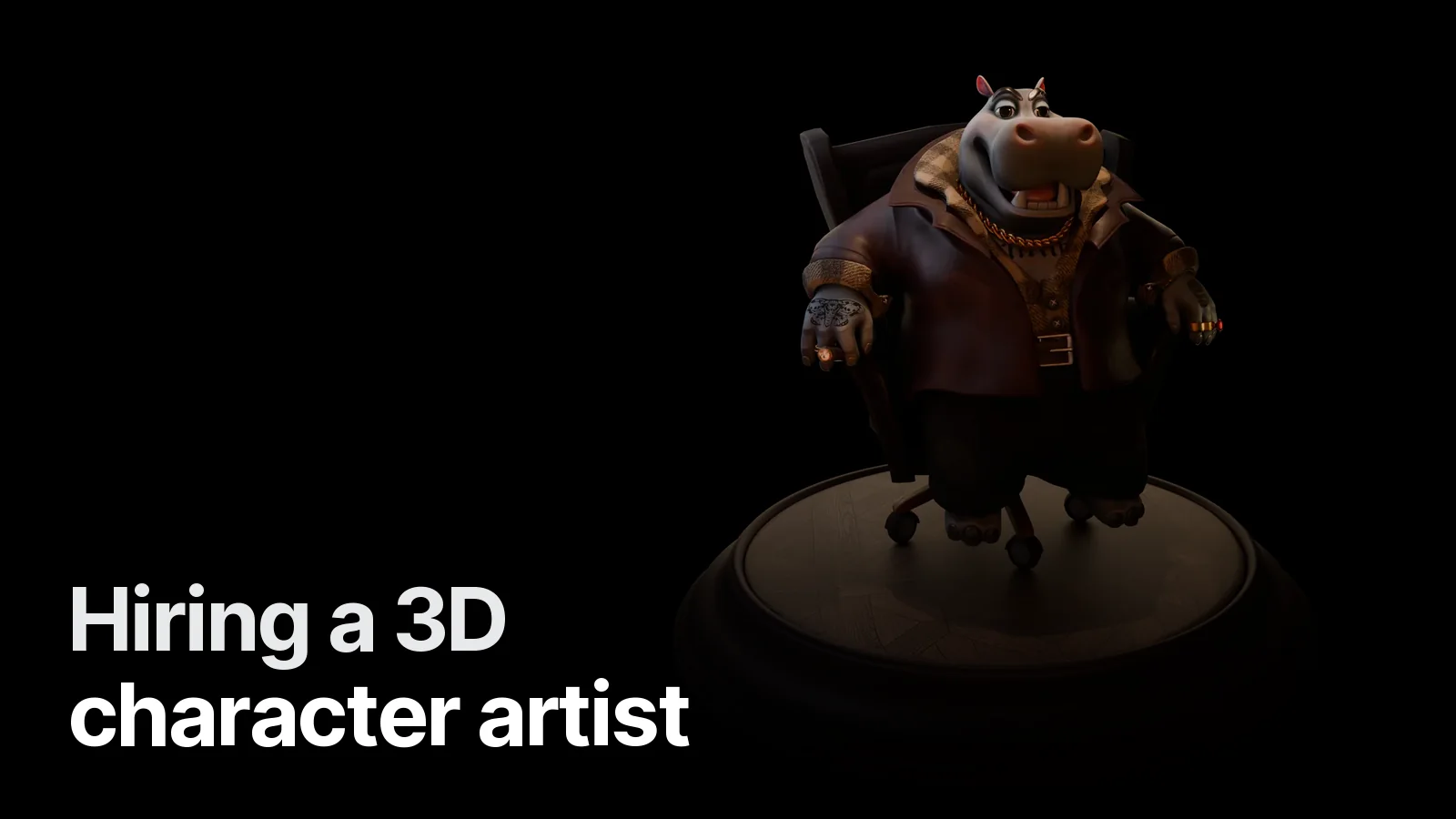
Creatune is a small studio in Antalya, Türkiye, working with game developers worldwide on characters, environments, props and materials in Blender. See Mafia Hippo (wireframe and rig views), Protocol Zel, the Game & 3D page, and how to commission a 3D game character — or message us on WhatsApp.
Frequently asked
1.Where can I find a 3D character artist?
Portfolio sites like ArtStation, freelance marketplaces, game-dev communities, and small studios that specialise in game art. Studios usually cost more per hour than a solo freelancer but cover more skills and take on deadline risk.
2.What should I look for in a 3D character artist's portfolio?
Game-ready work, not only renders: wireframes, polycounts, texture sets, and ideally characters shown in-engine or animated. Also look for the style you need and consistency across several pieces.
3.Should I give a paid test task?
For large projects, yes — a small paid test (a bust, a prop or a blockout) shows quality, communication and speed. Unpaid tests are a red flag for the artist and discourage good candidates.
4.How does Creatune work with international clients?
Fully remote, in English, over WhatsApp and email. We send a scope and quote within 24 hours, approve work in milestones and can start with a paid test asset.